
A moss treatment and a complete roof-cleaning service are not interchangeable. Treatment targets growth; cleaning may also address accumulated material and debris. The appropriate choice depends on roof condition, the amount of moss, and safe access. Start with an assessment rather than assume the strongest product or highest pressure is the best solution.
Explore our roof & moss cleaning service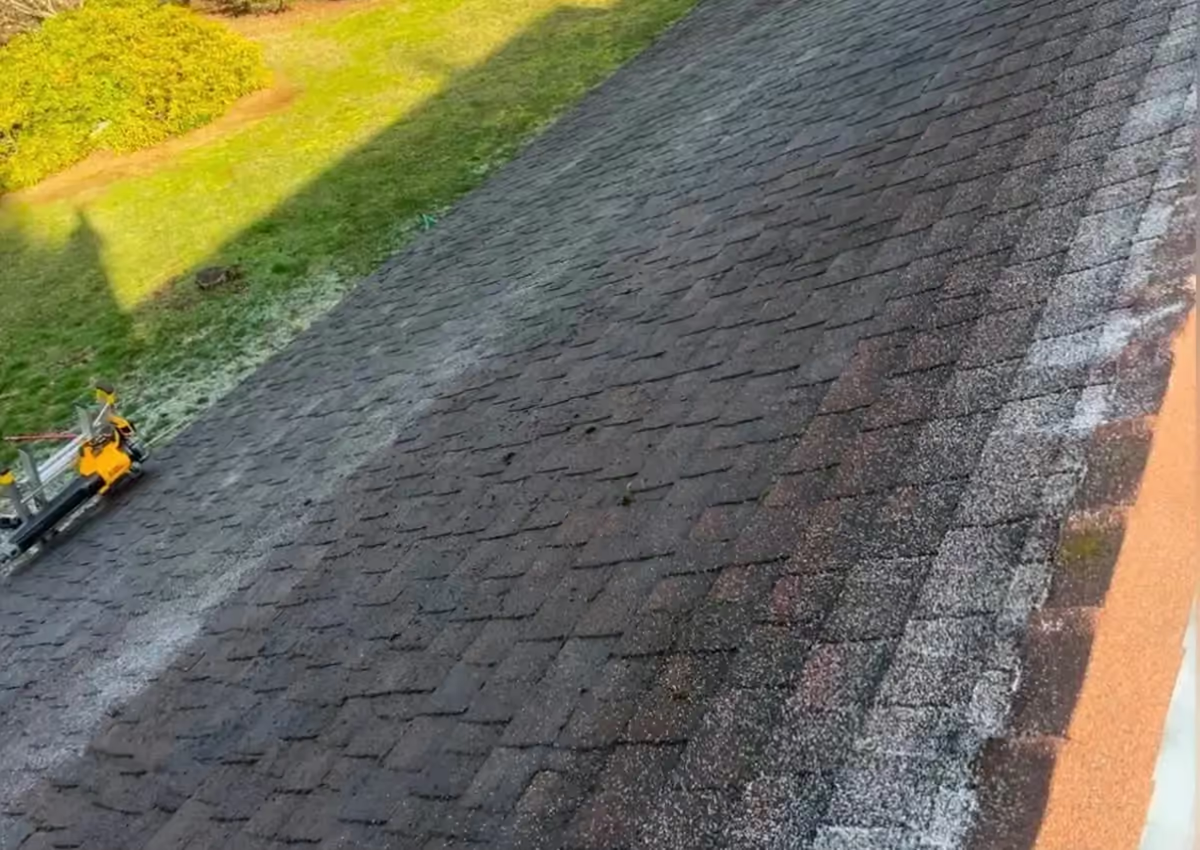
| Approach | What to clarify |
|---|---|
| Treatment only | Suitable roof material, product directions, and time to visible results |
| Removal and treatment | Method, debris handling, access, and expected appearance |
| Roof repair | Damage, leaks, and work outside a cleaning scope |
What people mean by “moss removal.”
The phrase can refer to several different tasks. One person may mean killing the growth. Another may expect the roof to look clear at the end of the day. A contractor may include debris removal, treatment, or both. Before comparing a store product with a service quote, decide which result you actually need and ask what each option includes.
Small patches, thick mats, and loose leaves in a valley are different conditions. A wider photograph helps show where the buildup sits, while a closer view can show its density. Take those photos from the ground or another safe location. There is no need to climb onto the roof simply to decide whether to ask for help.
A product label is not optional.
Any product should be used only as its label directs, including surface compatibility, application method, protective equipment, weather limitations, and environmental precautions. A treatment sold for one surface is not automatically appropriate for every roofing material. Read the label before buying, not after arriving on a ladder. If the instructions are unclear, contact the manufacturer.
Also review the roofing manufacturer’s guidance where available. Existing coatings, repairs, and the roof’s age can matter. Mixing cleaning products or improvising concentrations is not a substitute for following approved directions. We do not provide a universal chemical recipe because the roof and product details determine what is appropriate.
Safe access is part of the decision.
A wet or mossy roof can be difficult to move around safely. The project includes reaching the work area, handling equipment, and getting back down—not just applying treatment. If you cannot assess those tasks safely, use a professional. Avoid leaning out from a ladder to reach a patch or trying to use a pressure washer from an unstable position.
Ground-level observation can still tell you a lot. Look for which slope stays shaded, where branches drop debris, and whether gutters overflow. Share those observations when requesting an assessment. A contractor should explain the proposed access method and identify any limitations before confirming the work.
Pressure is not the answer to every green surface.
The cleaning approach used on a concrete driveway should not be carried onto asphalt shingles by default. Roof material and condition guide the method. Aggressive removal can harm a surface that was already weathered or fragile. Ask what the contractor intends to do and why that approach suits your roof, rather than judge the service by the force of the equipment.
Cedar, metal, and tile introduce their own considerations. If a quote describes a single identical treatment for every possible material, ask more questions. The explanation should also cover nearby plants, gutters, drainage, and any rainwater collection system. Good preparation looks beyond the visible patch of moss.
Allow for the difference between treatment and appearance.
Growth can respond to treatment before all of the material releases from the roof. The visible timeline depends on the condition and chosen method. Ask what will remain immediately after the visit and whether follow-up is expected. If you have an inspection or insurer deadline, describe it before booking so the proposed result can be discussed realistically.
A written service scope is particularly useful here. It should separate promises about work performed from assumptions about future weather or regrowth. If someone offers a warranty, read the limits, maintenance requirements, and process for requesting a return visit. Do not rely on a broad advertising phrase alone.
Choose the next step with the roof in mind.
Light growth on a roof in good condition presents a different decision from established buildup on a damaged surface. A qualified assessment can help distinguish maintenance from a repair issue. Professional cleaning is not automatically a roof repair, and a retail treatment does not diagnose leaks or worn roofing. The goal is to identify the right work before spending time or money on the wrong approach.
Before you request a quote
- Identify the roofing material and known damage.
- Read product and roofing-manufacturer instructions.
- Assess access without climbing into an unsafe position.
- Ask whether a quote covers treatment, removal, or both.